







Entries in Indie Games (231)

2:02AM

QCF: Nescape

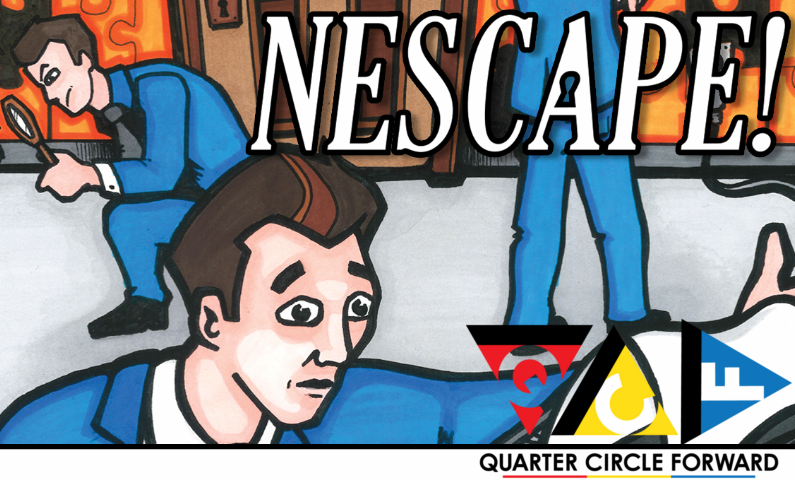
hen most think of the NES, they'll likely imagine platformers, side-scrollers and turn-based RPGs. Nintendo's premier console did, after all, introduce us to the very roots of these genres as we know them today while also restoring our faith in video games as a whole after the 1980s game crash.

Some titles, however, were more experimental than others – more specifically, those of the point-and-click genre. Two that immediately come to mine are the console ports of King's Quest V and Shadowgate, in addition to Manic Mansion from Lucasfilm Games.

One could consider NEScape! a faithful ode to any of these titles now available in the Nintendo Switch and Xbox Live libraries, albeit with a much more docile feel. In short, it truly is an "escape room" for the NES.

Click to read more ...

11:12PM

Parallax Pilgrimage: The Timeless Charm of 2.5D Action Video Games

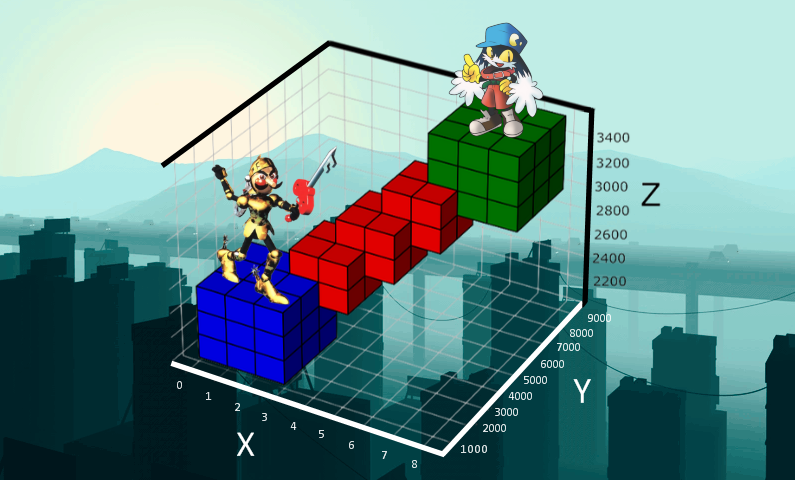
sn’t it just wild what a simple addition or twist can do for a recognized formula? Just look at what tossing in a splash of Lime or Vanilla to a can of Pepsi does for the drink—the same cola base is there, only now it offers a whole new perspective to its taste, and they did this all without completely reinventing the wheel either. It took Pepsi forty years to come up with the idea, while the brilliant minds of the Video Game industry came up with their “Pepsi Lime” moment in thirty-seven with the 2.5D Platformer.

Click to read more ...

10:00AM

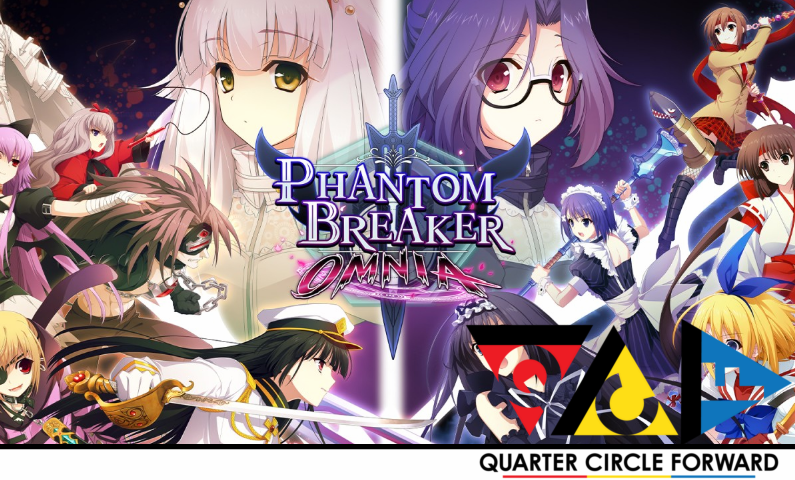
QCF: Phantom Breaker: Omnia

ack in the day I used to attend several conventions a year, where all forms of gaming, anime and related avenues of fandom would occupy a weekend inside the meeting rooms of an unsuspecting hotel. In those game rooms of my past, I recall seeing Phantom Breaker tournaments and casual play amongst the other 2D fighters. Now over a decade later, Rocket Panda Games has teamed up with MAGES to release an updated and streamlined version of the title for the first time in the West. Does Phantom Breaker: Omnia earn a place in today’s crowded field of fighting games? I think to certain groups of players it very well may have a spot.

Click to read more ...

11:45PM

QCF: Firegirl: Hack 'N Splash Rescue


ith a city on fire in the background, a young firefighter desperately tries to save anyone that may be still inside the collapsing building. With little breath left in her body and even less water to fight the blaze, she continues to push forward in desperate hopes of making a difference. All this, on her very first night with the fire department. Okay, maybe it’s not that serious, but it sets the stage for an epic experience. In Firegirl: Hack 'N Splash Rescue the noir themes and roguelite gameplay elements blend very well in an experience that is difficult to master but equally hard to put down.

Click to read more ...

7:22PM

QCF: Within The Blade

fter first loading up Within The Blade on my Switch I was not sure what I was getting myself into. The title formally known on PC as Pixel Shinobi from indie developer Ametist Studio has a reputation for being a difficult but deep stealth action platformer with RPG elements since its initial release in 2019. My initial playing brought back some memories of playing fast paced indie platformers such as Super Meat Boy and Shovel Knight, with a Souls style combat and timing all wrapped in a ninja world and story. Now with time and experience to better form an opinion, I can say this game is hard, but fun to play and even with some lack of polish dulling its blade does not take away the overall feel and accomplishments it provides.

Click to read more ...

5:38PM

QCF: The Atari VCS

he 1970’s were famous for a lot of things: the birth of whole entire music genres that ranged from Disco to Punk Rock, the Watergate scandal, and a certain living room pastime that would go on to change the entertainment medium forever—Video Games. It wasn’t long before these interactive television media programs made their way from the arcades to households across the country in the latter half of the Seventies, all thanks in part to a certain company that would help pioneer the blooming industry, Atari.

Years removed though, the Atari brand is seen as nothing more than a relic after its rise, and gradual fall—clinging on to nothing more than nostalgia for the remaining players who remember those early generations in their prime and get excited at the mention of the name. While the Atari line has enjoyed a second life in the aftermarket with a booming homebrew market and enthusiast media scene that’s fostered on by platforms like AtariAge and AtariMania, the company itself has gone mostly dormant through a series of mergers and extensions before quietly filing for bankruptcy in 2013.

Since then, the remnants of Atari, now named Atari SA have carried on with splintered releases of the remaining IPs in their possession like RollerCoaster Tycoon and Lunar Lander for the PC and mobile markets. The output was modest, as R&D worked on various projects while the company continued to earn royalties from its licensing deal with AtGames and their Flashback line of plug-in consoles. Sometime in 2017, however, a new management recruit by the name of Feargal Mac Conuladh was able to greenlight plans for a new Console-PC hybrid with an exclusive digital storefront codenamed the Atari Box. After years of sparse communication on the project and questionable crowdfunding campaigns to finish the production of the console, the Atari VCS has now officially launched to the public.

The question remains as to whether or not Atari can deliver on a product that can offer more than a fleeting sense of nostalgia that’s arguably just too dated to enjoy again. From my time spent with the machine, my answer isn’t as cut and dry as I would have ideally liked it to have been. I think the potential for the Atari VCS to deliver a different gaming experience is certainly there, especially when comparing it to contemporary upstarts that came before it like the Ouya and GameStick, who both originally promised something very similar and ultimately failed to live up to that promise. A number of shortcomings in the unit’s overall performance, however, unfortunately holds that potential, back and Atari’s subsequent management of the platform leave a sizable bit more to be desired. The VCS has too much running against it in the face of its low-end price point of $299.99 for just the base console without controllers, and the higher $399 asking price for the system and controller bundle—with the low-end being the same retail cost of a Nintendo Switch.

Click to read more ...

10:04AM

QCF: Say No! More

t first glance of Say No! More, I immediately had memories of an arcade game I used to play at anime conventions called Cho Chabudai Gaeshi. It was a table-flipping game where you would pound on the table to charge up the attack in various settings such as a wedding and an office, before unleashing your attack and flipping the table for maximum destruction. I was happy to find out that Say No! More may be close to that goofy experience that I enjoyed years ago, with plenty of humor and no-stress gameplay. The game does not deliver on challenge or depth but presents an important message in what is described as a linguistic arcade comedy.

Click to read more ...

1:41PM

QCF: Cyber Shadow

f there’s only one video game platform from the past that has to lead an everlasting brain trust spread throughout all walks of life, it’s the Nintendo Entertainment System. There are a bevy of other 8-bit machines that have their fans sure, but the NES has defined what people consider the 8-bit generation to be, establishing a style that still permeates a majority of the throwback indie titles that’s seen in the market today.

Drawing inspiration from the system’s aesthetics is one thing, but capturing the gameplay of that era is an entirely different beast, especially when it comes to channeling the essence of the challenge it’s famous for in an age of Save States and unlimited continues. Enter Mechanical Head Studio’s Cyber Shadow, a new title published by Yacht Club that chases the old ghosts of NES classics like Ninja Gaiden, Power Blade, Shatterhand, Shadow of the Ninja, and so much more—complete with a modern touch that aims to balance the scale of difficulty and fairness on the tightest of ropes.

There’s a lot to enjoy here for those who cut their teeth on the action genre during the days of the rectangular controller, but on that same token, arguably much of the beauty behind that generation is the “less is more” philosophy behind those games—something that Cyber Shadow is remiss to forget in its occasionally clumsy ambition.

Click to read more ...